
Hamsters are popular pets, and for good reason.
They are easy to care, usually bond well with their owners, and on top of everything else, the are very cute!
Learn about choosing a pet hamster, pet hamster care, and providing all the necessities for your hamster in this handy hamster care guide.
Hamsters make good pets, but they are not the right choice for everyone. There are 3 main types of hamsters.
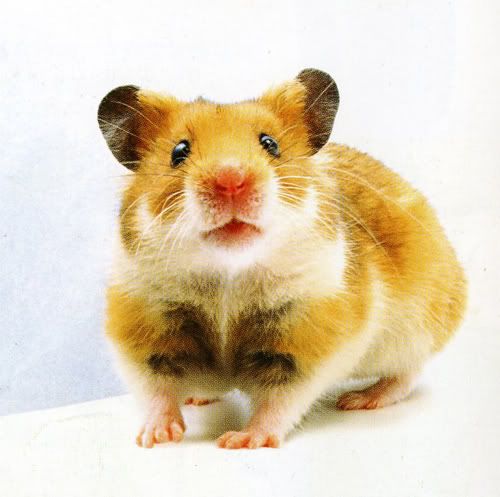
* Syrian Hamsters - other names include: golden hamsters, teddy bear hamsters (long hair), black bear hamsters (black coat)
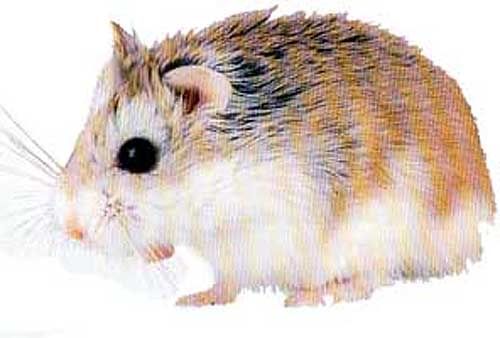
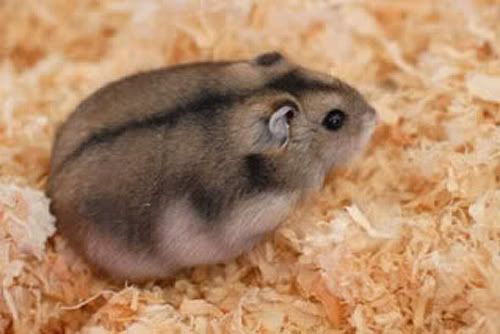
* Dwarf hamsters - includes dwarf Campbells Russian hamster, dwarf winter white Russian hamsters, and Roborovski hamsters
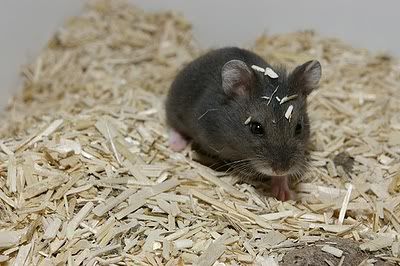
* Chinese Hamsters
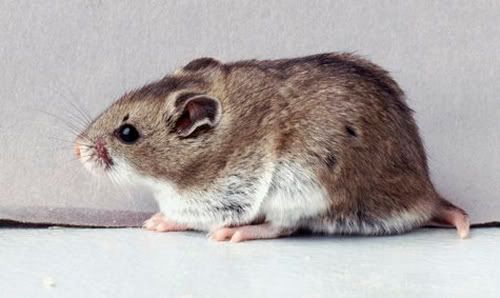
Avoid taking home a hamster that shows common signs and symptoms of illness, stress, or other problems.
While some problems can be hidden, anybody can do a quick check for some common signs of illness or other problems.
While there are no guarantees, avoiding hamsters with obvious signs of problems gives you have the best chance of taking home a healthy hamster.
Since many diseases are contagious, it is safest to also avoid hamsters with cage mates that seem ill.
As an added bonus, you can also get clues about a hamster's temperament while doing a quick health check.
Having a cage all set up and waiting for your hamster is a good way to smooth your hamsters' transition to his or her new home.
There are a huge variety of cage styles and sized out there, and which one to choose can be confusing.
My best advice: don't be fooled by the "coolness" of the cage, and make sure you choose one that is appropriate for the size of hamster you are choosing as well as one that is easy to clean.
Also make sure you have cage accessories such as bedding, an exercise wheel, and a cozy sleep hut picked out.
Here's some tips about choosing supplies:
There are also a lot of choices when it comes to hamster food, and not all are created equal.
Your main choice will be between a pelleted diet and a loose mix (see based) diet, and each has pros and cons.
Your store-bought hamster diet can also be supplemented with a variety of healthy human foods and treat.
Hamsters that haven't been handled may not be happy about being picked up and may try to bite you.
It's important to remember hamsters that bite are not mean -- they are scared and defending themselves the best way they know how.
It may take some patience (and possible some treats) to win your hamster's trust.
Hamsters need to be able to chew, and they need to be able to exercise.
Hamsters really were made to run, so a running wheel is a must. A hamster wheel must be large enough (many hamster wheels are more appropriate for dwarf hamsters than Syrian hamsters), safe (no wire wheels, please), and for your sanity, quiet.
For chewing, a variety of wood structures and toys will help keep your hamster's teeth in shape.
Hamsters also tend to like play tubes and tunnels and things they can climb on.
I don't advocate the casual owner breeding their hamsters -- that is best left to breeders who concentrate on breeding for health and temperament.
However, there are times when accidents happen, including hamsters that weren't separated soon enough at the pet store and come home pregnant.
Also, knowing about hamster reproduction can help prevent accidents in the first place.
Click here for articles on Hamster Care Guide.
" Roborovski Hamsters "
Species : Phodopus roborovskii
Expected Life Span : 3 - 3.5 Years
Size : 1.7 - 2 Inches (4 - 5 CM)
Behavior And Temperament : Roborovski hamsters are nocturnal, waking at dusk and most active at night. They generally quite good-natured and rarely nip, but they are very fast and agile, which makes handling them difficult. It is advisable to handle them in an area where they will be easy to catch if they get away (over a larger box, for example). Because of their speed and agility, a large cage is also necessary to give them room to move about.
Social Characteristics : Roborovski hamsters are social and are ideally kept in single sex (unless breeding) pairs or groupings. This works best if introduced at a young age, though.
Appearance : The natural coloration of Roborovski hamsters is sandy brown on their backs, with a white belly. They also have distinctive white marks over their eyes. A white-faced variety is also seen (the coloration is similar but with a white face).

White Faced Roborovski
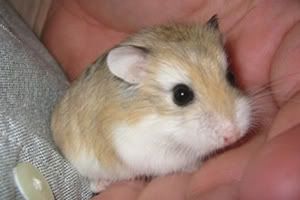
Brown Faced Roborovski
Notes About Care : Basic care is like that of other hamsters. As mentioned above, an aquarium or other solid sided cage with a ventilated but secure top is preferable, the larger the better. Avoid cedar or pine wood shavings, and keep cages well cleaned though to prevent ammonia build-up from accumulated urine as ventilation is diminished with solid sided housing. Feed a good quality hamster food supplemented with small amounts of fresh foods.